Introduction
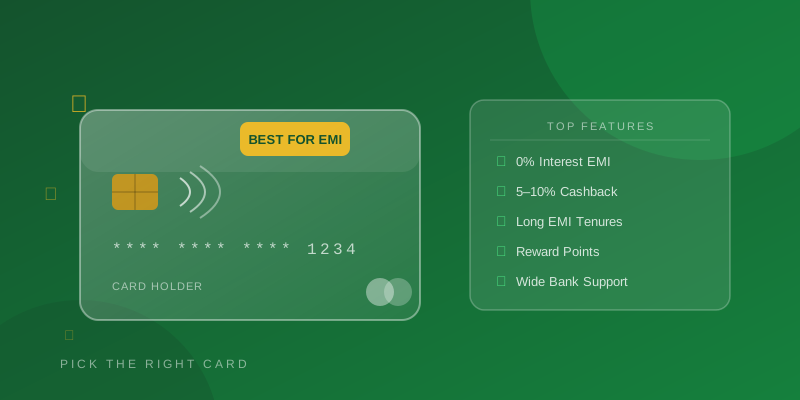
Choosing a credit card for EMI purchases can significantly reduce the cost of buying a product on instalments. Different cards offer different combinations of cashback, reward points, processing fee waivers, and exclusive EMI offers.
This guide explains the features to look for and the questions to ask before using a card for an EMI purchase.
Important: EMIHub does not recommend, rank, or endorse any specific credit card. This guide focuses on evaluation criteria so you can compare cards yourself.
EMI Features To Look For
Processing Fee Waivers
Some cards waive the processing fee on EMI transactions, especially during festive sales or for partner merchants. A waived fee can save ₹200 to ₹1,000 per transaction.
Zero-Cost Or Low-Cost EMI
Cards tied to specific banks may offer exclusive No Cost EMI on partner merchants. The offers change frequently and may not apply to all products.
EMI Conversion Window
Most cards allow you to convert a purchase into EMI within 30 days of the transaction. Some premium cards extend this window to 60 or 90 days. A longer window gives you more flexibility to plan.
Foreclosure Policy
Some cards allow foreclosure (early closure) of EMI without penalty. Others charge 2% to 3% of the outstanding principal. Look for cards with flexible foreclosure if you might want to close the EMI early.
Reward Points On EMI Purchases
Some cards award reward points on EMI purchases, just like a normal transaction. Others exclude EMI purchases from the rewards programme. Choose a card that continues to reward EMI purchases.
Cashback Features
Flat Cashback
Some cards offer a flat cashback percentage (for example, 1% to 5%) on all purchases, including EMI. This cashback effectively reduces the cost of the product.
Category-Based Cashback
Other cards offer higher cashback (5% to 10%) on specific categories like electronics, dining, or travel. If you frequently buy electronics on EMI, a card with high cashback in that category can save a lot.
Milestone-Based Cashback
Some cards offer cashback once you cross a quarterly or annual spending threshold. This is useful for high spenders but does not help if you are buying one product on EMI.
Other Benefits
Interest-Free Period
If you pay your credit card bill in full each month, you enjoy an interest-free period of up to 45 to 55 days. This benefit is lost once you convert a purchase to EMI, since interest starts accruing from day one.
Insurance On EMI Purchases
Some cards include complimentary insurance on EMI purchases, covering damage, theft, or non-delivery. Read the terms carefully — most policies have many exclusions.
Extended Warranty
Certain cards extend the manufacturer’s warranty by 6 to 24 months on purchases made with the card. This is useful for big-ticket electronics.
Comparison Factors
When comparing two cards for an EMI purchase, evaluate the following:
Net Effective Cost
Calculate the total cost of the EMI minus any cashback or reward value. This is the true cost of using the card for the purchase.
Total Fees And Interest
Add the processing fee, GST, and any interest charged. The sum represents the fixed cost of using EMI.
Flexibility
Look at the EMI conversion window, foreclosure policy, and ability to make partial prepayments.
Compatibility With Merchants
Some cards have exclusive EMI offers only on partner merchants like Amazon, Flipkart, or specific offline retailers. Check whether your preferred merchant is covered.
Common Pitfalls
Carrying A Balance After EMI Ends
Some users forget that EMI payments continue until the end of the tenure. If they stop paying after the EMI period, interest is charged on the remaining balance at the standard credit card rate (often 36% to 42% per annum).
Hidden Annual Fees
Cards with high annual fees may offer great cashback and rewards, but the net benefit is reduced if the annual fee is not waived. Many cards waive the annual fee if you spend above a threshold.
Misunderstanding Reward Exclusions
Some cards exclude EMI purchases from reward point calculations. The “5x rewards” advertised in marketing material may not apply to EMI transactions.
How To Choose
Step 1: Identify Your Use Case
If you buy electronics occasionally, a simple card with no annual fee and occasional cashback may be sufficient. If you buy electronics frequently, a card with category cashback may be better.
Step 2: Calculate Net Benefit
For a typical ₹50,000 purchase on 12-month EMI:
- 5% cashback = ₹2,500 saved
- 0% processing fee = ₹500 saved (vs standard fee)
- Reward points worth 1% = ₹500 saved
- Net benefit: ₹3,500
Compare this to the annual fee of the card. If the annual fee is less than ₹3,500, the card pays for itself in a single EMI purchase.
Step 3: Read The Fine Print
Before applying, check the processing fee policy, foreclosure terms, and reward exclusions for EMI transactions.
Related Calculators
Related Guides
Disclaimer
This guide is for educational purposes only and does not constitute financial advice. EMIHub does not recommend, endorse, or rank any credit card, bank, or financial product. Credit card terms, fees, cashback rates, and reward structures are subject to change. Always read the most recent terms and conditions on the card issuer’s official website before making a decision.